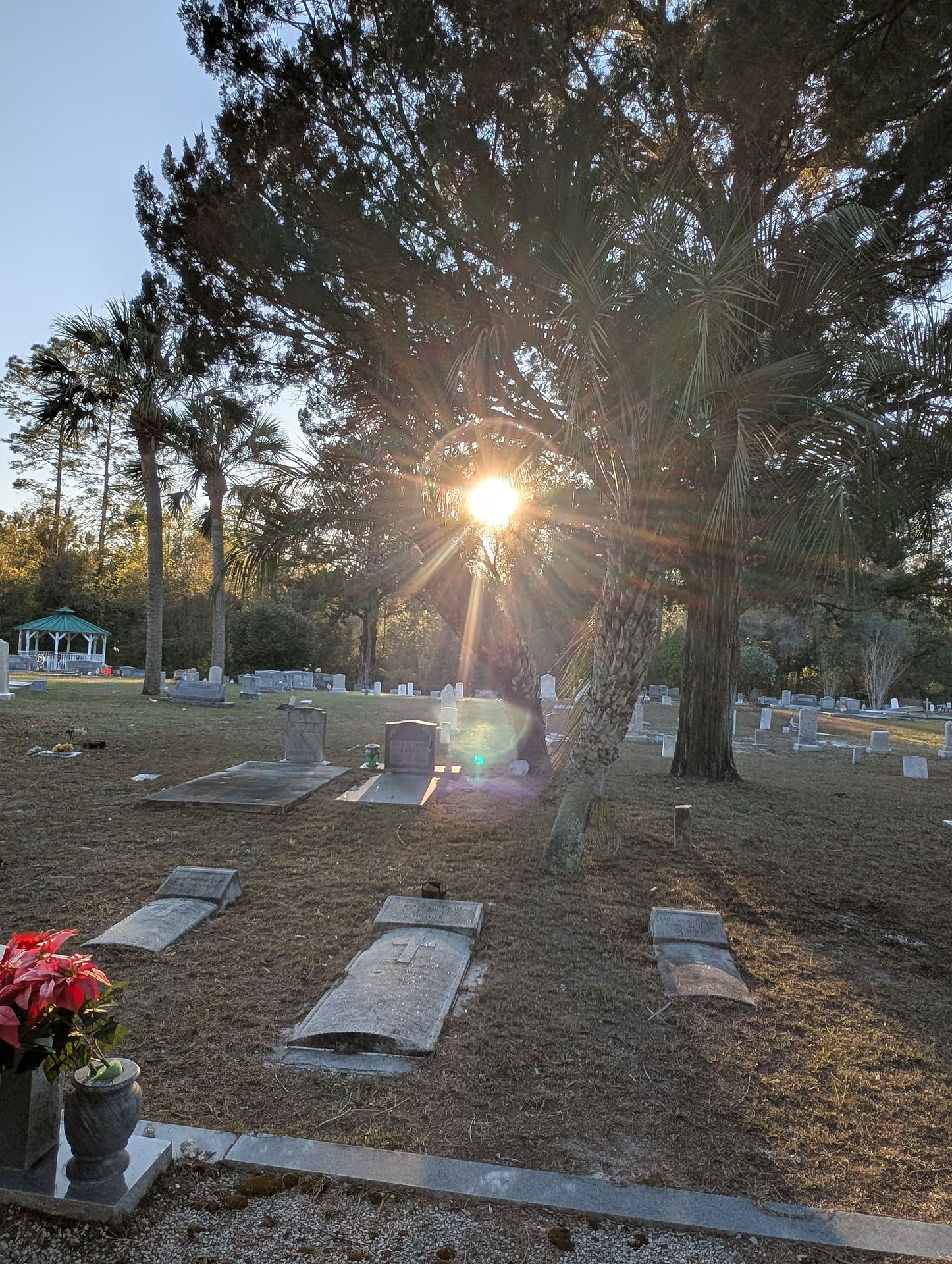


When the Ground Freezes: Saying Goodbye (for Now) to Cemetery Season
There’s a certain sadness that comes with the first frost. The leaves fall, the air turns sharp, and our familiar cemeteries begin to disappear beneath a layer of snow. Buckets, brushes, and bottles get rinsed, dried, and tucked away in sheds and basements until the ground thaws again.
For those of us up North, this is always a difficult time. The work we love—the feeling of revealing a forgotten name or watching the stone’s color return—must come to a halt. The cemeteries grow quiet. The echoes of summer laughter and clinking spray bottles fade into the crisp silence of winter air.
This pause isn’t just about comfort. It’s about care. We don’t stop because we want to. We stop because the stones need rest just as much as we do.
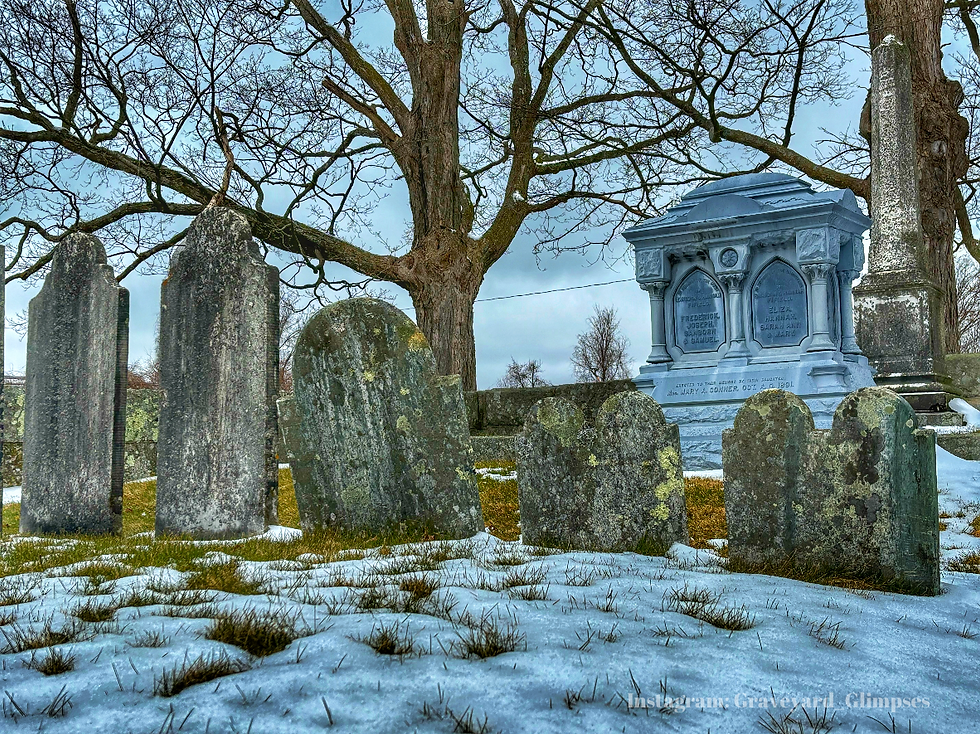
Why We Pause When the World Freezes
Winter weather may paint our cemeteries in beauty, but beneath that sparkle of frost is a silent threat. Most historic headstones—especially marble, limestone, and sandstone—are porous, meaning they absorb moisture. In freezing temperatures, that water expands inside the stone, creating pressure that can lead to cracking, flaking, or even splitting the monument in half.
This cycle, known as the freeze–thaw effect, is relentless. Every time temperatures rise above freezing during the day and fall again at night, the stone expands and contracts. Over a single winter, this can cause decades worth of damage if additional moisture is introduced through cleaning.
Even the safest solutions can’t perform properly when it’s cold. Instead of breaking down biological growth, it can freeze mid-application, leaving residues or icy film. Bristles become brittle, plastic handles snap, and even a simple rinse can turn the ground to slick sheets of ice.
And then there’s frost heave, the natural lifting and shifting of the ground as water in the soil freezes and expands. It’s one of the leading causes of tilting and toppled stones during Northern winters. Trying to straighten or repair a marker when the soil is frozen can cause more harm than good.
So, while our instincts might urge us to keep working, true preservation sometimes means patience. We let the stones breathe. We let the ground settle. We let nature take its course, quietly, respectfully, and safely.
What We Can Do While the Cemeteries Sleep
Just because the ground is frozen doesn’t mean our mission has to be. The heart of preservation beats year-round—it simply moves indoors for a while.
1. Reflect, Organize, and Archive
Winter is the perfect time to revisit your work from the past season. Sort through photos, label them clearly, and upload them to Find a Grave. Create digital albums showing before-and-after shots, and make sure your files are backed up. These small acts of organization preserve more than just data, they preserve memory.
2. Dive into the Stories
The snow outside makes the library feel even cozier. Take advantage of the downtime to research. Search census records, military service files, obituaries, and local newspaper archives. Each line of research turns another forgotten name into a story—and those stories fuel our passion when the snow melts again.
You might find out that the “unknown soldier” you cleaned last summer fought in the War of 1812. Or that the woman with the barely legible inscription once ran the local boarding house. Every discovery connects us more deeply to the work.
3. Help Your Fellow GraveGeeks
While we’re snowed in, our Southern GraveGeeks are still out there working in the field. You can support them from afar by helping with research requests, transcribing old records, or locating family connections. Maybe someone in Florida needs help tracing a Civil War ancestor’s roots in New York. Maybe a Tennessee volunteer found a stone with no readable name. Your winter research could be the missing piece of someone else’s preservation puzzle.
4. Write and Share
Have a story to tell? Write a blog post for GraveGeeks.org! Share your favorite cleaning project, a moving volunteer experience, or a historical figure you uncovered through research. These stories not only inspire others but also build our shared library of cemetery heritage. Blog writing is one of the most powerful ways to stay active in preservation and help our mission when the tools are put away.
If you would like to share a blog post or even an idea for one, send it to blog@gravegeeks.org.
5. Keep Learning
Winter is also a season for education. Review NCPTT’s conservation guidelines, take webinars from the Association for Gravestone Studies, or study up on materials and cleaning techniques. At GraveGeeks, we’re developing online courses to help volunteers learn from home because knowledge is preservation, too.
6. Repair and Restock
Give your equipment some attention. Replace worn-out brushes, spray bottles, clean all of your tools still in use, and make a checklist of supplies for next year. Label bins, organize your storage space, and jot down what worked well during the season.
7. Look for Sponsors
While we may not be able to work in the field, this is the perfect time to seek out sponsors for next season’s projects. Local businesses, historical societies, or individuals who love history might be willing to support the Adopt-A-Headstone Program or donate materials. Create outreach letters, design sponsorship flyers, or make social media posts inviting others to “adopt” a stone. Every sponsorship not only helps preserve history, it also connects more people to the mission that drives GraveGeeks.
8. Plan for the Spring Reawakening
Map out your next season’s goals. Which cemeteries need another visit? Who can you collaborate with locally? Start coordinating cleanup dates, reaching out to volunteers, and securing permissions from cemetery caretakers. When spring comes, you’ll be ready to hit the ground running.
The Season of Stillness and Hope
Winter in the cemetery world feels a bit like standing still. We’re used to motion, the scrub of a brush, the click of a camera, the whisper of grass beneath our boots. When the snow falls and the work stops, it can feel lonely.
But stillness has purpose. The cemeteries need it. We need it. This quiet time allows the earth to reset and the stones to heal from the constant cycle of temperature, moisture, and stress. It gives us the space to think about why we do this work. Not just to clean, but because we care.
So as the snow settles on the stones, remember this: Preservation isn’t about rushing. It’s about respect for the materials, the history, and the natural rhythms of time itself.
And while the world outside sleeps, the GraveGeeks community keeps the flame alive indoors—researching, writing, learning, and planning. When that first warm breeze hits and the frost begins to fade, we’ll be back out there, brushes in hand, ready to carry on the mission.
Until then, let’s use the winter wisely. Let’s preserve the stories in our hearts, our files, and our plans. So that when the ground thaws, we can return stronger, smarter, and more inspired than ever.
Keep the Mission Going
Even though the cemeteries rest, our work doesn’t stop.
Visit GraveGeeks.org/adopt-a-headstone to support ongoing preservation projects, or sign up to become a volunteer for the upcoming spring season. Every form filled, every story shared, and every donation made, keeps history standing tall—even through the frost.
With Love,
TashasGraveAdventures

beautiful